#include <ActorDiscoverer.hpp>
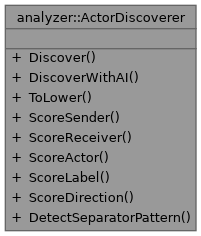
Static Public Member Functions | |
| static ActorDiscoveryResult | Discover (db::EventsContainer &events, size_t sampleLimit=10 '000) |
Scan up to sampleLimit events and return all discovered patterns. | |
| static ActorDiscoveryResult | DiscoverWithAI (db::EventsContainer &events, size_t sampleLimit=10 '000) |
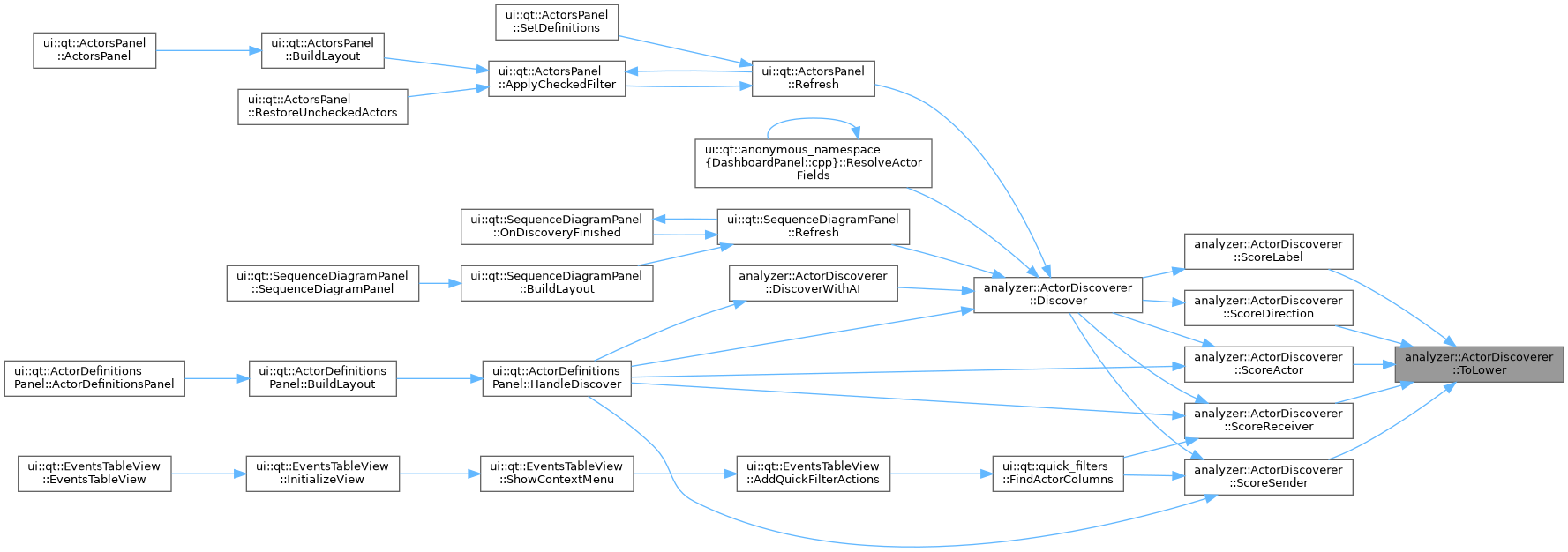
| static std::string | ToLower (const std::string &s) |
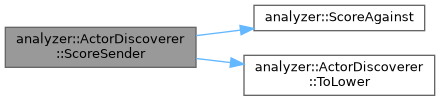
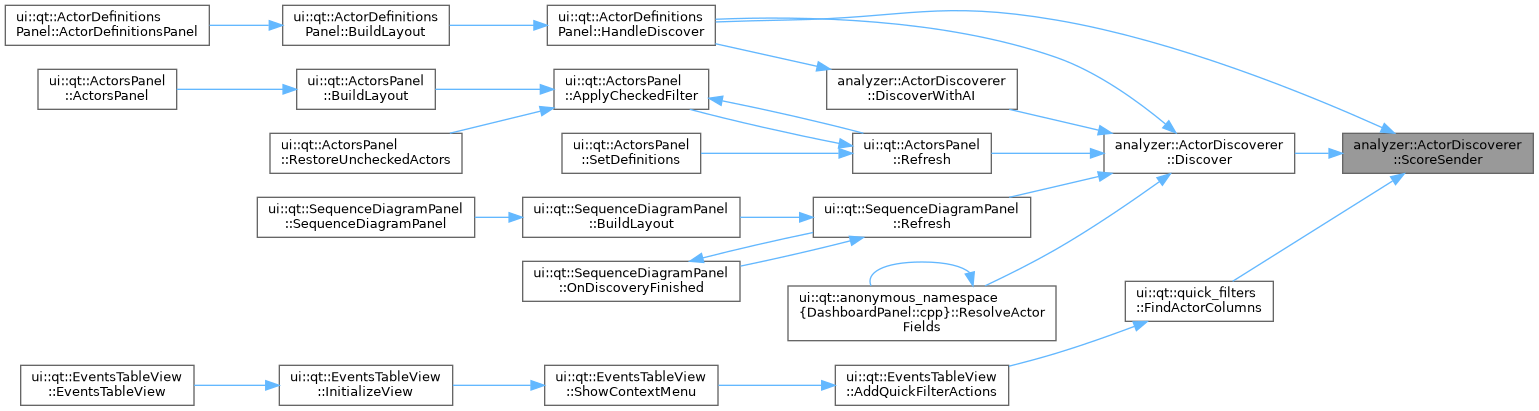
| static int | ScoreSender (const std::string &fieldName) |
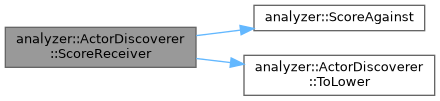
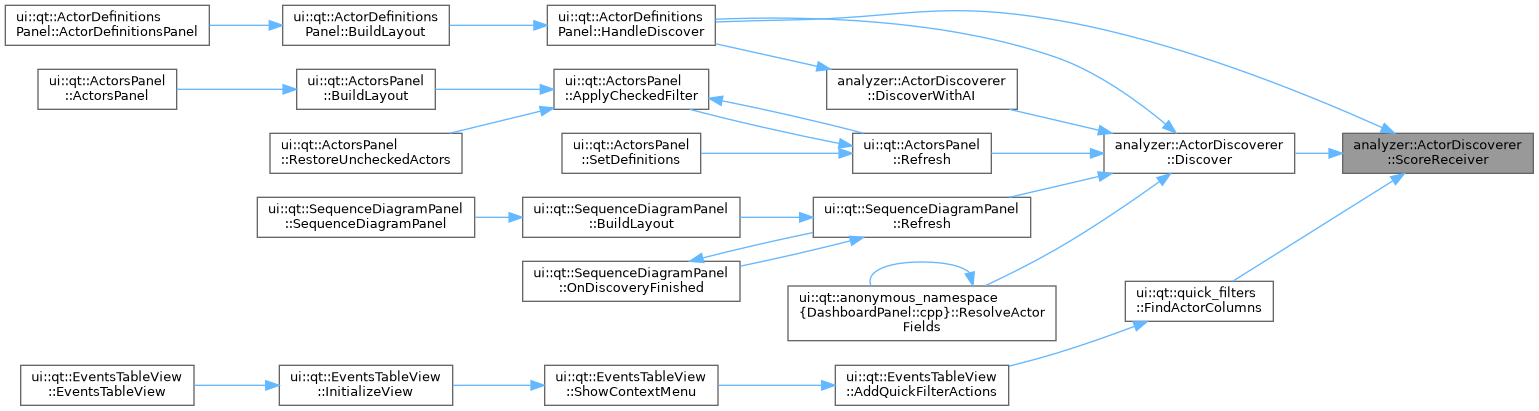
| static int | ScoreReceiver (const std::string &fieldName) |
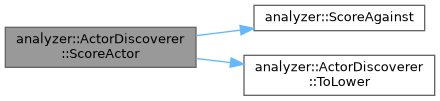
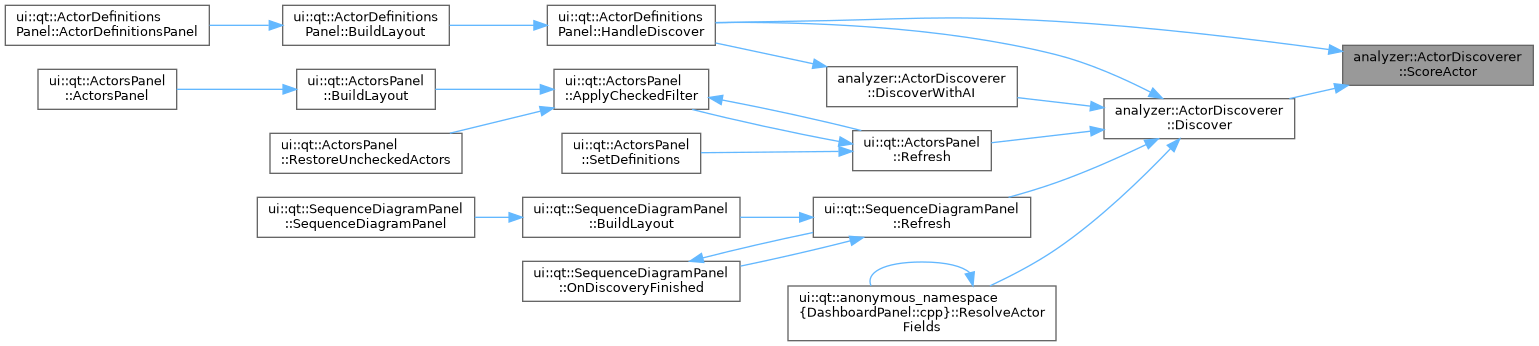
| static int | ScoreActor (const std::string &fieldName) |
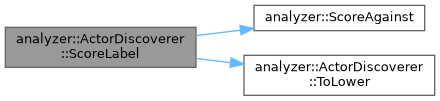
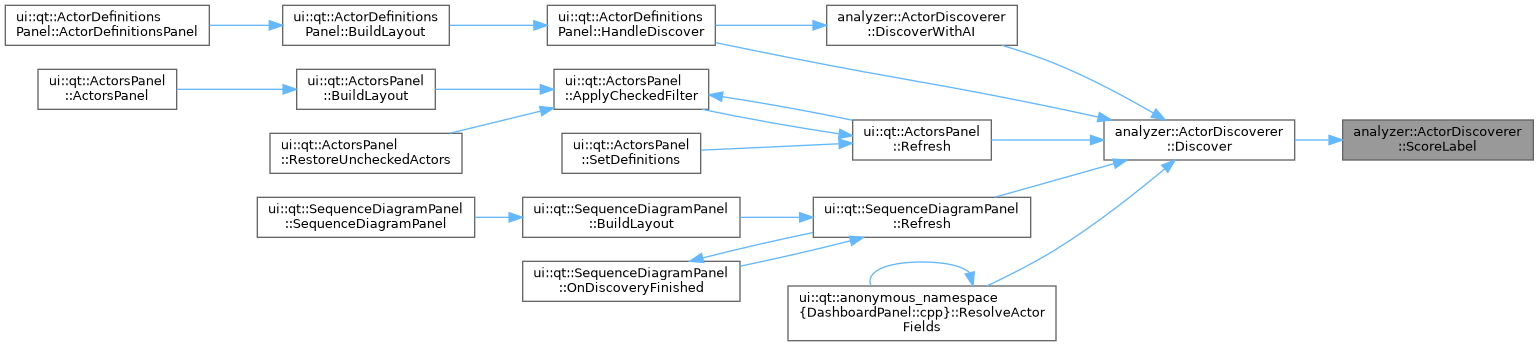
| static int | ScoreLabel (const std::string &fieldName) |
| static int | ScoreDirection (const std::string &fieldName, const std::set< std::string > &values, std::set< std::string > &outValues, std::set< std::string > &inValues) |
| static std::tuple< std::string, std::set< std::string >, int > | DetectSeparatorPattern (const std::set< std::string > &fieldValues) |
Detailed Description
Scans an EventsContainer and discovers every plausible actor/exchange pattern without hard-coded field names.
Detected patterns (in decreasing confidence order): Pair — two fields: senderField + receiverField DirectionField — one actor field + one direction-value field SenderOnly — only a sender-type field; receiver = self ReceiverOnly — only a receiver-type field; sender = self
Works on every log format: JSON microservices, DLT (ecuid/appid), CAN-bus, XML traces, syslog, custom formats.
Member Function Documentation
◆ DetectSeparatorPattern()
|
static |
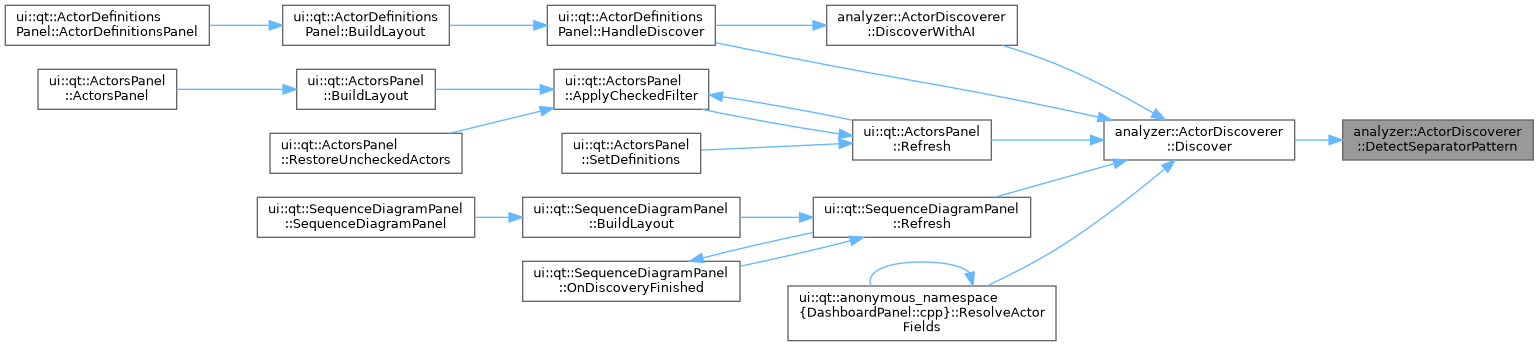
Detects if a field contains embedded actor names with a separator. Returns (separator, extractedActors, confidence) or empty if not detected. Example: "RBC: message" → separator=":", actors={"RBC"}
◆ Discover()
|
static |
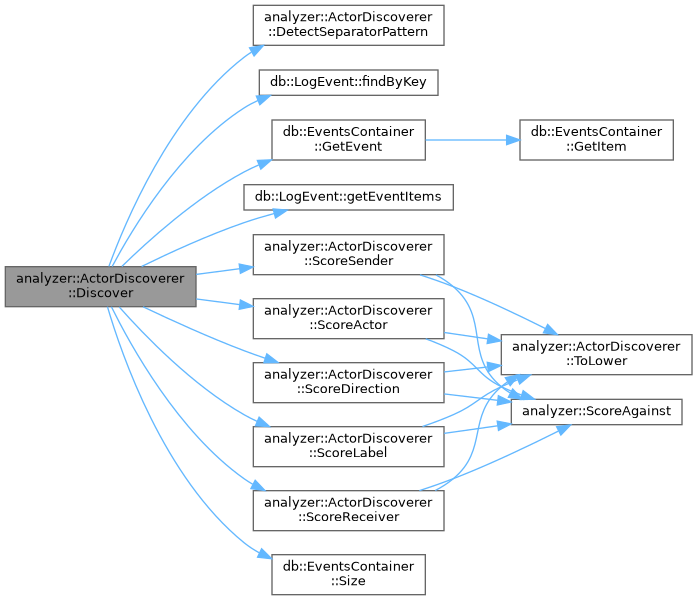
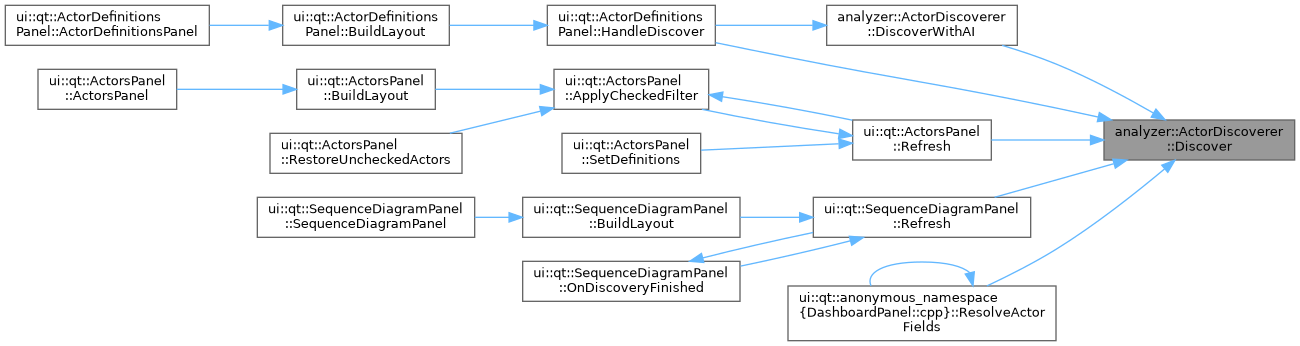
Scan up to sampleLimit events and return all discovered patterns.
◆ DiscoverWithAI()
|
static |
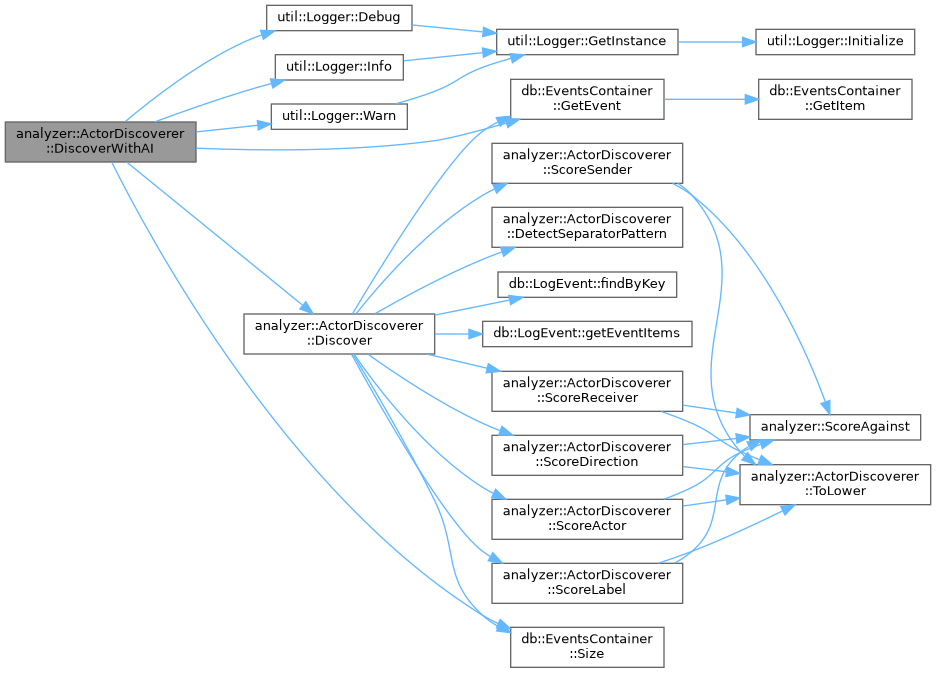
Discover with AI direction detection (if LLM available). Combines heuristic actor discovery with AI-detected message directions.

◆ ScoreActor()
|
static |
◆ ScoreDirection()
|
static |
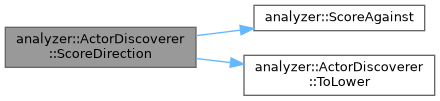
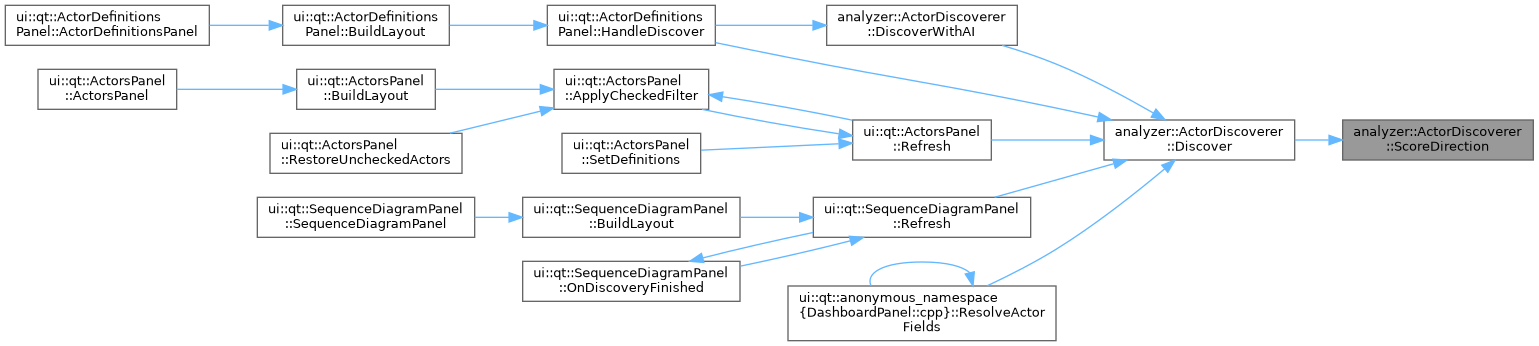
Returns how well a field's VALUES match known direction keywords. outCount / inCount — how many values matched outgoing / incoming.
◆ ScoreLabel()
|
static |
◆ ScoreReceiver()
|
static |
◆ ScoreSender()
|
static |
◆ ToLower()
|
static |
The documentation for this class was generated from the following files:
- src/application/analyzers/ActorDiscoverer.hpp
- src/application/analyzers/ActorDiscoverer.cpp